Missing The Stadium Atmosphere? Watch Parties Bring Fans Together
A packed stadium creates energy through shared attention. That feeling can still thrive beyond matchday gates. For fans seeking FIFA World Cup watch parties near Liberty Harbor, local gatherings offer more than large screens. Shared chants, timed reactions, and familiar rituals rebuild football’s social rhythm. The strongest events also create space for newcomers. Food, music, and coordinated viewing add atmosphere. Together, these details turn a broadcast into an occasion.
Local Venues Recreate Matchday Energy
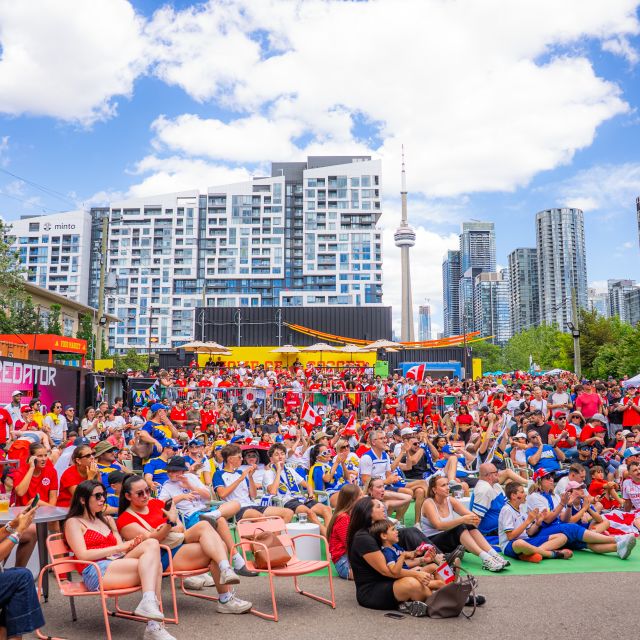
A lively venue changes how supporters experience football. Large screens keep every attacking move visible. Crowd noise rises with each dangerous chance. Chants can spread across tables before kickoff. Even a late equalizer feels collective there. The setting adds emotional weight to familiar moments.
What Makes A Watch Party Memorable?
Strong watch parties depend on deliberate details. Venue layouts should protect clear sightlines throughout matches. Audio quality matters when stadium chants fill broadcasts. Food service should avoid disrupting crucial sequences. Useful additions include:
- Large screens support comfortable viewing.
- Reliable sound keeps commentary crisp.
- Flexible seating encourages shared reactions.
- Quick service limits missed match action.
These choices make viewing feel organized, not ordinary.
Liberty Harbor Fans Find Shared Rituals
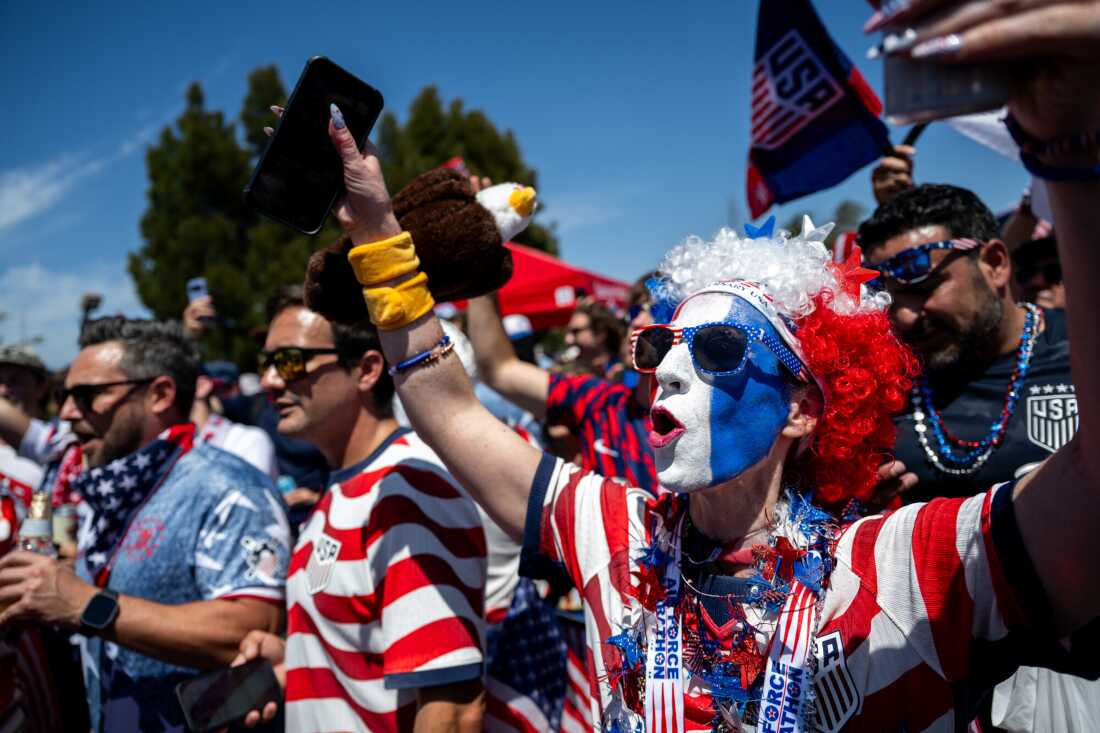
Football culture grows through repeated matchday habits. FIFA World Cup watch parties near Liberty Harbor can create those rituals locally. Supporters may arrive wearing national colors or team scarves. Others gather around familiar kickoff traditions. Predictable rituals help strangers connect without forced introductions. A shared celebration can build instant community.
Can Food And Music Add Atmosphere?
Food gives supporters another reason to linger. Regional dishes can reflect competing football nations. Music can raise energy before kickoff begins. Short breaks offer natural moments for conversation. Still, entertainment should support the match rather than compete. The football remains the central attraction.
Timing Shapes The Best Gatherings
Match timing affects attendance, comfort, and energy. Evening fixtures can encourage longer social gatherings. Afternoon games may suit families and younger supporters. Early arrivals create room for pre-match interaction. Clear event schedules also reduce confusion around seating. A well-timed gathering feels smoother from arrival onward.
Beyond One Match, Communities Take Shape
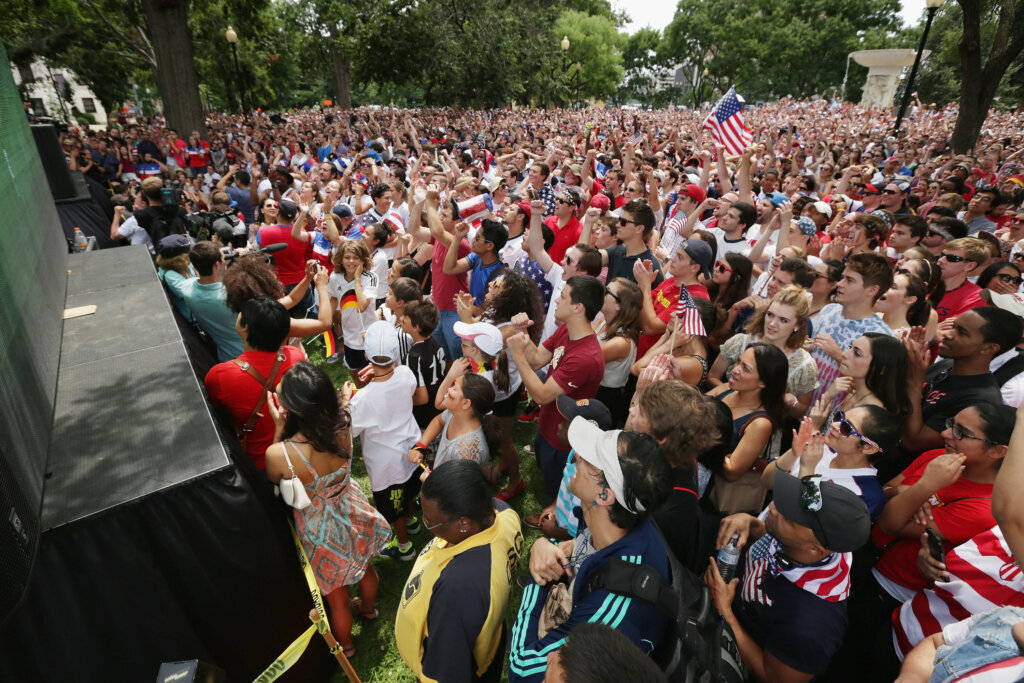
Repeated gatherings can create durable local connections. Familiar faces begin recognizing one another across fixtures. Conversations often continue after the final whistle. Those connections can extend beyond football itself. A watch party therefore becomes a neighborhood meeting point. The broadcast supplies the reason; community supplies lasting value.
Why The Final Whistle Is Not The End
The most valuable moment may come afterward. Supporters leave carrying shared memories, not merchandise. A dramatic penalty or stoppage-time goal becomes local folklore. Even a simple scarf can recall that evening. In this setting, football becomes a marker for friendship.
FAQs
What makes a World Cup watch party exciting?
A strong crowd, clear screens, and quality sound create energy.Shared rituals make important match moments feel more personal.
Can families attend World Cup watch parties?
Family-friendly gatherings can offer comfortable seating and suitable timing.Food choices can also make longer matches easier for children.
Should supporters arrive before kickoff?
Early arrival provides time for seating and pre-match interaction.It also prevents important opening minutes from being missed.
What creates lasting memories at watch parties?
Shared celebrations often become stronger memories than the broadcast itself.A memorable goal can later anchor local friendships.